Pathological Waste Disposal
Proper management of pathological waste is an important part of maintaining a safe healthcare environment. These materials require careful handling, secure collection, and compliant disposal procedures to help reduce health risks and support responsible facility operations.
Healthcare facilities must comply with applicable disposal requirements to ensure that pathological waste is managed safely from pickup through final treatment. A structured waste management process helps protect staff, patients, and the surrounding community.
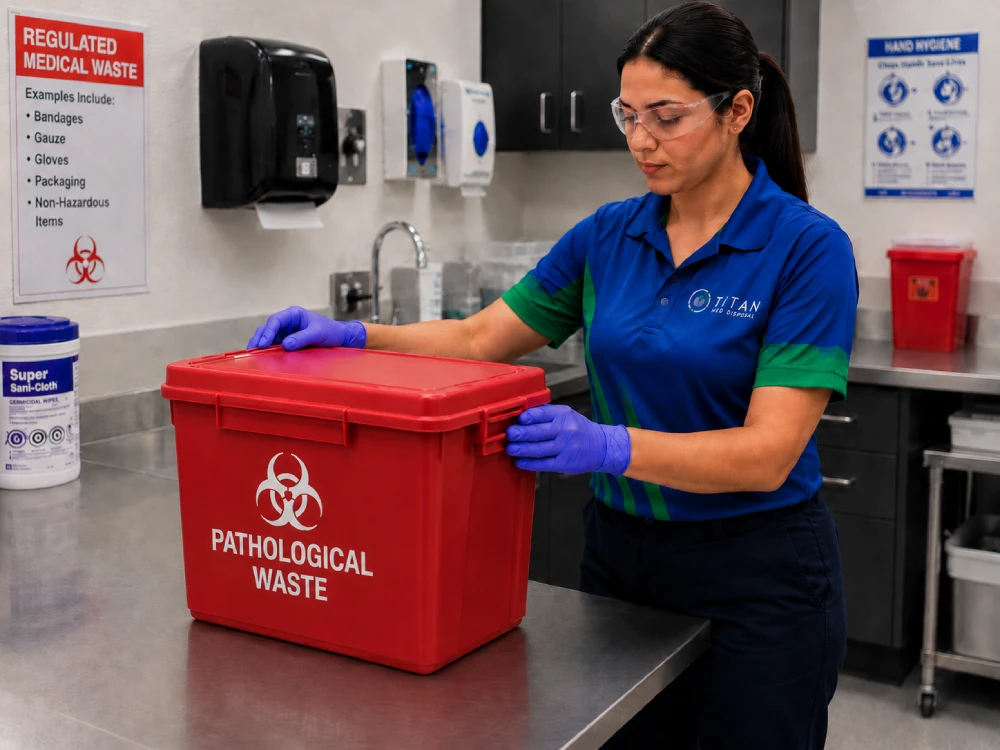
What Is Pathological Waste?
Pathological waste is a type of biohazardous medical waste that includes human or animal tissues, organs, body parts, and specimens generated during surgeries, procedures, laboratory work, or autopsies. Because this waste may carry infectious materials, it must be handled with extra care and disposed of through proper medical waste procedures.
Correct identification and management of pathological waste are essential for healthcare facilities. Safe disposal helps prevent contamination, reduce health risks, and protect staff, patients, and the community.
What Is Included in Pathological Waste Disposal
Human Tissues and Organs
Pathological waste includes human tissues, organs, body parts, and anatomical materials removed during surgical procedures, biopsies, amputations, autopsies, or medical treatments. These materials must be handled separately from general medical waste because they may carry biological risks and require specialized disposal procedures.
BIOHAZARDOUS WASTE DISPOSAL
Body Fluids and Anatomical Materials
Certain body fluids and anatomical materials, such as fluids collected during surgery or medical procedures, may be considered pathological waste when they are connected to tissue, organs, or body parts. Proper handling helps reduce exposure risks for healthcare workers, prevents contamination, and supports a safer clinical environment.
Surgical Specimens
Surgical specimens are samples or materials removed from the body for examination, testing, diagnosis, or analysis. These may include tissue samples, biopsy materials, or other anatomical specimens. After testing or evaluation, they must be managed carefully to ensure safe containment, compliant disposal, and protection of staff, patients, and the surrounding community.
RMW FAQs
What is pathological waste?
Pathological waste is a type of biohazardous medical waste that may include human tissues, organs, body parts, surgical specimens, biopsy materials, and certain anatomical waste generated during medical procedures.
Why does pathological waste require special disposal?
Pathological waste may contain infectious materials or biological contaminants, so it must be handled, stored, transported, and disposed of properly to reduce health risks and prevent contamination.
What facilities generate pathological waste?
Hospitals, surgical centers, laboratories, medical clinics, research facilities, veterinary clinics, and other healthcare-related businesses may generate pathological waste.
Is pathological waste the same as regular medical waste?
No. Regular medical waste may include items like gloves, bandages, or IV materials, while pathological waste usually refers to tissues, organs, body parts, and anatomical specimens that require more specialized handling.
What is included in pathological waste disposal?
How can healthcare facilities manage pathological waste safely?
Facilities should separate pathological waste from general medical waste, use proper containers, follow storage and pickup procedures, and work with a qualified disposal provider to support safe and compliant waste management.